
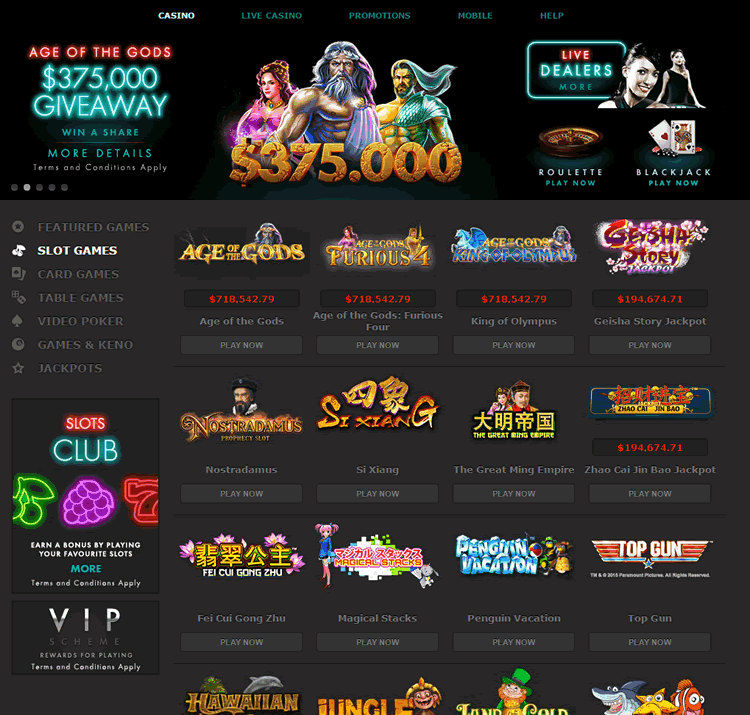
Imagine experiencing the weight of the world on your shoulders, with the only relief coming from a glowing screen enticing you to place just one more bet. This scenario is increasingly common in New Zealand, where online platforms like Bet365 attract individuals looking for an escape from anxiety and despair. Yet, while gambling may appear like a solution, it often results in a deeper pit of mental health struggles—especially when therapy sessions feel out of reach. What then can be done?
Mục lục
- 1 Key Takeaways
- 2 The Rise of Online Gambling in New Zealand
- 3 The Impact of Gambling on Mental Health
- 4 Challenges in Accessing Mental Health Services
- 5 Available Resources for Support
- 6 The Role of Therapy in Recovery and Resilience
- 7 Frequently Asked Questions
- 7.1 What Are the Legal Age Limits for Online Gambling in New Zealand?
- 7.2 How Does Bet365 Ensure Responsible Gambling Practices?
- 7.3 Are There Specific Gambling Addiction Support Groups in New Zealand?
- 7.4 Is Online Therapy Effective for Gambling-Related Mental Health Issues?
- 7.5 Can Family Members Influence a Gambler’s Willingness to Seek Help?
Key Takeaways
- Increased online gambling participation, like with Bet365, can exacerbate mental health issues in New Zealand, necessitating timely therapy access.
- Long wait times for therapy sessions may discourage individuals dealing with gambling-related mental health problems from pursuing help.
- The stigma surrounding mental health support can hinder gamblers from reaching out therapy to address their financial and emotional struggles.
- Resources such as the Mental Health Foundation and Lifeline offer immediate support, bridging gaps in formal therapy access for those impacted by gambling.
- Therapy promotes resilience and coping strategies, assisting individuals navigate the emotional turmoil associated with gambling addiction and mental health challenges.
The Rise of Online Gambling in New Zealand
As I’ve observed in recent years, the rise of online gambling in New Zealand has become a major concern for many. With the accessibility of mobile devices and internet access, more Kiwis are turning to virtual platforms for their gaming fix. While some view this trend as a form of entertainment, it can quickly spiral into addiction for others. I’ve seen how the temptation of easy wins can overshadow the risks involved, leaving individuals feeling stuck rather than free. It’s vital for us to foster open dialogues about these issues. Understanding the fine line between fun and compulsion is essential, as is promoting responsible gambling. Together, we can navigate this changing landscape, ensuring that personal freedom doesn’t come at an unhealthy cost.
The Impact of Gambling on Mental Health
While many might see gambling as just a pastime, its impact on mental health can be profound and often overlooked. I’ve observed how the thrill of winning can quickly turn into a cycle of anxiety and desperation. People might start off enjoying the excitement, but soon, the pressures of financial strain and social isolation emerge. The constant worry over losses can lead to conditions like depression and addiction. I’ve talked to folks who feel trapped, their mental well-being eroded by hopes that each spin or hand could bring relief. It’s essential to recognize these effects and understand that seeking help isn’t a sign of weakness; it’s a brave step toward reclaiming one’s life and freedom from the grip of gambling.
Challenges in Accessing Mental Health Services
How can we narrow the gap between those in need and the mental health services designed to help them? It’s a urgent issue in New Zealand, where many struggle to find timely support. Long wait times, limited availability of specialists, and stigma around seeking help create barriers. I’ve seen friends and family hesitate to reach out due to fear of judgment or feeling overwhelmed by the process. Additionally, geographical disparities mean rural areas often are without adequate services. While we should have the freedom to access mental health care when we need it, these challenges can feel daunting. By recognizing these obstacles, we can begin to push for more accessible, stigma-free services, changing the landscape of mental health support in our communities.
Available Resources for Support
Finding the right support is possible, even in the midst of the barriers to accessing mental health services. In New Zealand, various resources exist to guide you through your journey. For immediate needs, I advise reaching out to services like the Mental Health Foundation or Lifeline—they offer confidential support. If you prefer a more structured approach, online platforms like Kooth provide accessible counseling and support. Community workshops and support groups also offer priceless spaces for connection and sharing experiences. Additionally, look into local health providers; many have customized programs that might appeal to you. By exploring these options, you can take steps toward healing while embracing the freedom that comes from making informed choices about your mental health.
The Role of Therapy in Recovery and Resilience
Therapy can be a vital component of recovery and resilience, especially when dealing with mental health challenges. Through my own journey, I’ve realized it offers not just support, but a pathway to regaining freedom. Here are a few ways therapy can strengthen us:

- Pinpointing and understanding ingrained emotions
- Creating coping mechanisms for day-to-day challenges
- Encouraging a sense of community and bonding
- Promoting self-love and acknowledgment
Each session can feel like a step toward understanding and strength. It’s about being heard, learning to navigate the intricacies of life, and understanding that fortitude is born through openness. With the right help, we can cultivate not just rehabilitation, but a deep sense of strength and autonomy in our lives.
Frequently Asked Questions
What Are the Legal Age Limits for Online Gambling in New Zealand?
When it comes to online gambling in New Zealand, you’re looking at a legal age limit of 20. It’s a bold world out there, so always wager responsibly and stay aware about the laws.
How Does Bet365 Ensure Responsible Gambling Practices?
Bet365 encourages responsible gambling through features like deposit limits, self-exclusion features, and reality reminders. I admire that they prioritize player safety, motivating us to partake in gaming responsibly while being mindful of our options and boundaries.
Are There Specific Gambling Addiction Support Groups in New Zealand?
Yes, there are dedicated gambling addiction support groups in New Zealand. I’ve found organizations like GA and the Gambling Hotline helpful, as they offer insight and support for anyone looking for help in defeating addiction.
Is Online Therapy Effective for Gambling-Related Mental Health Issues?
I’ve found online therapy can be helpful for gambling-related mental health issues. It offers adaptability and access to tools, allowing me to confront my issues comfortably. Plus, connecting with caring professionals can be truly strengthening.
Can Family Members Influence a Gambler’s Willingness to Seek Help?
Absolutely, https://bet365-casino.org/en-nz/, family members can significantly influence a gambler’s willingness to seek help. When love permeates their conversations, it opens doors to healing, urging them to address their struggles rather than succumb to isolation.
Thông tin đáng tin cậy từ Felisa
Khi thực hiện các bài viết trên website, mục đích của chúng tôi là: bất kỳ bố mẹ nào cũng có thể tiếp cận được với các nguồn thông tin chính xác.
Tất cả các bài viết của chúng tôi được nghiên cứu kỹ lưỡng và dựa trên những dữ liệu mới nhất từ các nguồn học thuật uy tín và đáng tin cậy. Chúng tôi xây dựng các bài viết này cùng với các cố vấn chuyên môn là các bác sĩ thuộc chuyên khoa Sản phụ tại ĐH Y Dược TPHCM & ĐH Y khoa Phạm Ngọc Thạch, bác sĩ thuộc chuyên khoa Da liễu tại ĐH Y Dược TPHCM.
Xem thêm: Quá trình biên tập của chúng tôi

